Authored by: Ger Dayman
Chief Data Officer
Nonprofits today operate in a digital landscape that is richer, and more fragmented, than ever before. Fundraising platforms, CRM systems, finance tools, marketing automation, service delivery applications, and even spreadsheets all play a role in day‑to‑day operations. Yet this abundance of technology often creates a challenge that quietly undermines impact: disconnected data.
In a recent mhance webinar, we explored how a unified data integration platform can transform the way nonprofits work. This article expands on those ideas and outlines why this approach is becoming essential for organisations that want to scale, innovate, and deliver more meaningful outcomes.
The Hidden Cost of Disconnected Systems
Most charities rely on multiple systems that rarely communicate effectively. Even when integrations exist, they are often point‑to‑point, inconsistent, and difficult to maintain. Over time, this leads to a range of operational and strategic challenges.
Inconsistent reporting
Campaign performance, donor history, financial data, and service outcomes live in separate systems. Without a unified view, reports become complex, slow, and prone to error. Different teams often arrive at different answers to the same question.
Operational inefficiencies
Manual reconciliation, duplicate data cleansing, and spreadsheet‑based workarounds consume valuable time. In many organisations, spreadsheets quietly become “shadow systems” containing business logic that only one person understands.
Governance and compliance risks
When data is scattered, it becomes harder to track lineage, manage retention, or maintain accurate consent records. This increases organisational risk and reduces confidence in the data.
Missed opportunities for supporter engagement
Without a complete picture of each individual, it’s difficult to personalise journeys, segment effectively, or identify the next best action. This limits fundraising potential and supporter satisfaction.
Underperforming technology investments
Even organisations heavily invested in Microsoft Dynamics, Azure, or Power Platform struggle to unlock full value when data remains siloed.
A Unified Data Integration Platform: A Better Way Forward
Instead of building dozens of individual integrations between systems, a unified data integration platform creates a single, central model that every system connects to. This approach replaces complexity with clarity.
What makes this model different?
- Fewer integrations, with reduced complexity
- Consistent validation and business rules applied centrally
- A single source of truth for supporter, donation, and operational data
- A foundation for analytics, AI, and automation
- Reduced technical debt and easier long‑term maintenance
This model ensures that every system benefits from the same logic, the same data quality, and the same governance framework.
Built on the Microsoft Ecosystem
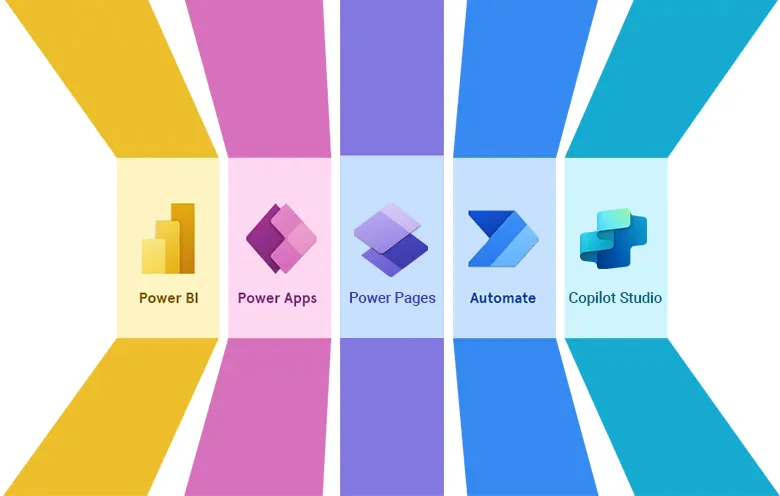
A modern integration platform leverages the strength of Microsoft technologies such as Azure, Microsoft Fabric, Power Platform, and Dynamics 365.
Key components include:
- A unified data model designed around nonprofit needs
- Automated validation and matching, including fuzzy logic
- Low‑code triage tools for handling exceptions
- Configurable business rules that adapt as new systems are added
- A presentation layer for analytics, KPIs, dashboards, and insights
This architecture sits above existing systems, meaning nonprofits don’t need to replace their CRM, finance system, or fundraising tools. Instead, the platform enhances and connects them.
The Benefits: From Data Chaos to Mission Clarity
A unified integration platform delivers far more than technical efficiency. It enables nonprofits to accelerate their mission.
- A complete, trusted supporter view
All interactions: donations, volunteering, events, memberships and campaigns come together in one place.
- Better reporting for leadership and trustees
Real‑time dashboards, automated impact metrics, and standardised reporting models reduce manual effort and increase confidence.
- Operational efficiency
Less reconciliation, fewer spreadsheets, and reduced duplication free teams to focus on value‑adding work.
- Lower long‑term integration costs
One model, one set of rules, many systems, without the need to rebuild integrations every time something changes.
- Readiness for AI and predictive analytics
Tools like Microsoft Copilot, machine learning models, and forecasting engines rely on clean, unified data. This platform provides exactly that.
A Phased, Practical Path Forward
Nonprofits don’t need to integrate everything at once. Many organisations begin with one or two key systems, build the unified model, and expand over time. This phased approach reduces time to value and allows teams to learn and adapt as they go.
It also ensures that the organisation gains early wins: improved reporting, cleaner data, and more reliable integrations, while building a scalable foundation for future growth.
Unlock the Power of Your Data
A unified data integration platform isn’t just a technology upgrade, it’s a strategic enabler. It empowers nonprofits to understand their supporters, demonstrate impact, and operate with confidence.
For organisations looking to modernise their data landscape, improve reporting, or prepare for AI‑driven innovation, this approach provides a clear and scalable path forward.
If you’d like to explore how this could work for your organisation, the mhance team is always happy to help. Get in touch with us for any data‑related questions, integration challenges, or to discuss how we can support your next steps.